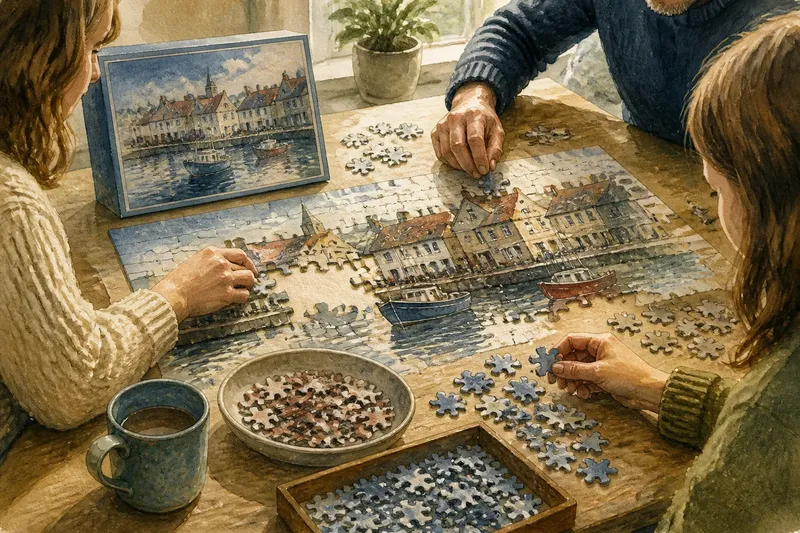
A Winter Gathering Built Around a Borrowed Game
Plan a winter gathering around a borrowed game, with a clear start time, simple food, and an easy way for guests to join without special gear.
The common mistake with a winter gathering is asking guests to bring a game, snacks, and a firm arrival time, then leaving them to work out how the evening fits together. A borrowed game gives the room a shared focus; a clear invitation and a gentle first round keep that focus from turning into homework.
For a winter gathering built around a borrowed game, choose something familiar, set a start time that allows people to arrive gradually, and make participation optional at first. The point is not to run a tournament. It is to give friends an easy reason to settle in together while coats dry and the dark gathers outside.
What kind of game works for a winter gathering?
Choose a game guests can recognize or learn in a few minutes, and that works with the people likely to be in the room. A deck of cards, a well-known word game, dominoes, or a simple party game borrowed from a neighbor can all serve; the best choice is the one that fits your group’s appetite for talking, thinking, and taking turns.
Consider how many people can join at once. A game built for a small table may leave latecomers watching, while a quick team or word game can let people rotate in. If you are borrowing from a friend, ask whether the box includes all the pieces and whether the instructions are easy to find. Keep a spare deck of ordinary playing cards nearby as a low-fuss alternative, not as a second event that needs explaining.
Think about the room, too. A game that needs a broad tabletop may not suit a living room arranged around a small coffee table. For a tight space, pick something that can be played in a circle with cards or spoken clues, and leave a stable surface for mugs away from the game.
How should the invitation explain the plan?
Say what the evening is, when it starts, and what guests need to bring—or, just as clearly, what they do not need to bring. A note such as “Come by after dinner for cards and something warm to drink; I have the game and snacks covered” removes the small uncertainties that can make an invitation feel like an assignment.
Give a specific start time, but phrase it as a welcome window if people may arrive from different places. You might say, “Drop in at seven; we’ll start a first round once everyone has had a chance to get comfortable.” This signals that arriving a little later does not mean walking into a silent room mid-game.
Ask about practical needs without turning the invitation into a survey. If someone has a food allergy or needs a seating arrangement that works for them, an easy reply lets you plan thoughtfully. Keep the message warm and direct; guests do not need a detailed schedule or a list of supplies to enjoy a low-key evening.
When should the game begin?
Start after guests have had time to take off coats, find a seat, and greet one another. A small gathering rarely needs a formal announcement: put the game where people can see it, offer a drink, and let conversation settle before inviting anyone to play.
A helpful rhythm is to leave the opening stretch unstructured, play a short first round, then pause naturally for food or a refill. You do not have to fill every quiet moment. If some guests are still talking, finish the round and invite newcomers into the next one rather than restarting the rules for the whole room.
Say what happens if people arrive after play has started. “We’ll rotate in after this round” is enough to reassure a late guest and the players at the table. The host can keep an eye on the room and notice when a pause would make joining easier.
What food and drinks suit a game night?
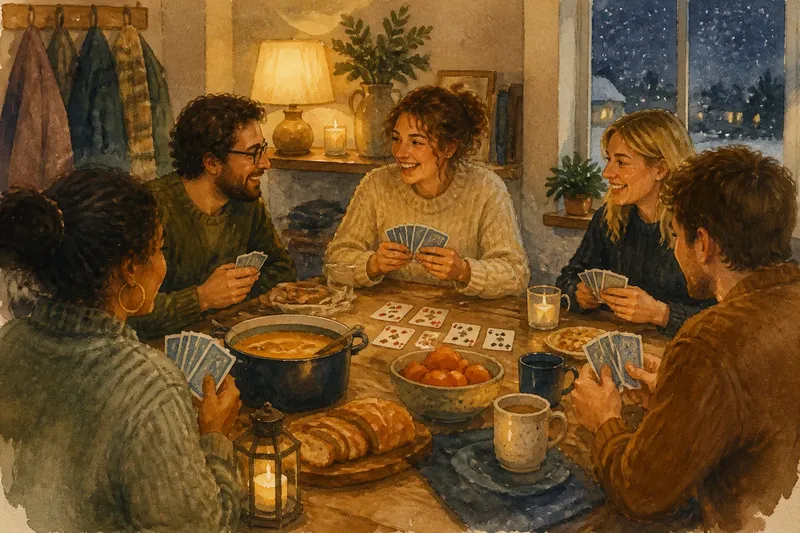
Choose food that is easy to serve and does not compete with game pieces for table space. A pot of soup with bread, a bowl of clementines, or a plate of cookies can work, depending on whether you want a light snack or a simple meal. Put napkins and a small plate within reach, and keep drinks on a side table so a crowded playing surface stays usable.
Warm drinks fit the season, but offer a non-caffeinated option and water as well. If you serve anything that can stain cards or leave greasy fingers, set it away from the game and invite people to pause before eating. A small tray can make the transition from snacks to play feel effortless without requiring elaborate hosting.
Imagine you have invited a few neighbors after work and borrowed a familiar card game. You set out soup and bread before they arrive, then keep the cards on a dry side table until everyone has eaten; the expected result is a relaxed meal followed by play, rather than a game interrupted by bowls and crumbs.
How can guests join without knowing the rules?
Make the first round a demonstration, not a test. Explain only the basic aim and the next move, then clarify details as they come up. If the instructions are long, skim them before guests arrive and identify the rules that affect the opening turn; the group can consult the booklet later if an edge case appears.
Offer a role for someone who would rather watch at first: they can keep score, deal cards, or simply observe until the next round. Do not insist that everyone play, and avoid putting a hesitant guest on the spot to explain why. A welcoming gathering makes room for conversation as well as participation.
For a group with different comfort levels, choose teams or rotate players so no one has to sit out for long. Keep the first round short enough that the format can change without making anyone feel they have committed to the whole evening.
What if the borrowed game is missing pieces?
Check the box before the gathering and ask the lender whether anything is missing or whether a house rule matters. If a piece is absent, choose a simple substitute only when the game still makes sense and everyone agrees; otherwise, switch to the spare familiar option rather than spending the evening troubleshooting.
For example, imagine the borrowed word game lacks its timer. You can agree to take turns without timing, if that keeps the play fair and enjoyable for this group, or set the box aside and use the deck of cards. The useful decision is the one that gets people talking again, not the one that preserves every detail of the original format.
Return the game as you received it, with its pieces gathered and instructions put back in the box. If you used an agreed substitute, tell the lender so it is not mistaken for a missing component later.
How can the evening feel seasonal without extra work?
Let a few ordinary details do the work: a lamp instead of bright overhead lighting, a clear place for damp boots, and a blanket folded over the back of a chair. These small comforts suit a cold evening without requiring themed decorations or a special menu.
Keep the entryway simple. Make room for coats and wet shoes so guests do not have to balance them beside the game table, and leave a path to the kitchen and bathroom clear. If the room is chilly, warm it before people arrive rather than pausing the gathering to rearrange the space.
Consider how the gathering ends as well as how it begins. Let guests know when you expect to wrap up if the evening is on a work night, and stop the game at a natural break. A winter gathering built around a borrowed game works best when the plan leaves room for people to linger, laugh, or head home without ceremony.
What questions come up before inviting people?
How many guests should I invite?
Invite a number that fits the game, the available seats, and the space around the table. If the game accommodates fewer players than your guest list, plan rotations or choose a format that welcomes teams and spectators.
Should I ask guests to bring anything?
For an easygoing gathering, provide the game and the basic refreshments yourself, then make any optional contribution clear. If someone offers to bring food, suggest something that does not require extra cooking or table space.
What if nobody wants to play?
Let the game remain an invitation rather than a requirement. People may enjoy talking around the table, and you can put the game away if it is not drawing interest instead of trying to rescue the plan.
How do I make the gathering comfortable for different guests?
Offer varied seating, a non-alcoholic drink, and a way to join without taking a full turn immediately. Ask privately about specific access or food needs, then make reasonable adjustments to the room and menu.
A winter gathering built around a borrowed game needs little more than a welcoming room, a game people can approach, and a host willing to let the evening find its pace. Put the invitation, seating, and first round in place, then give guests the freedom to play, watch, or simply enjoy the company.